
Rheumatoid arthritis (RA) is a chronic autoimmune disease that primarily affects the joints, causing inflammation, pain, and eventual joint damage. The body’s immune system mistakenly attacks its own tissues, leading to the destruction of joint structures. Traditional treatments focus on managing symptoms and slowing disease progression, but they often fall short of achieving complete remission.
Stem cell therapy has emerged as a promising alternative for treating RA. By using mesenchymal stem cells (MSCs), this therapy aims to repair damaged joint tissues and modulate the immune response. The immunomodulatory effects of MSCs are particularly beneficial for RA patients, as these cells can reduce inflammation and promote tissue repair.
The potential benefits of stem cell therapy for RA patients include improved joint function, reduced disease severity, and a lower reliance on conventional antirheumatic drugs. As research progresses, stem cell therapy may become a more widely accepted treatment option, offering hope to those who have not found relief through standard therapies.
Understanding Rheumatoid Arthritis
Rheumatoid arthritis (RA) is a chronic autoimmune disease that primarily targets the synovial joints, leading to inflammation, pain, and eventual joint destruction. The disease is characterized by the immune system’s abnormal response, where it mistakenly attacks healthy joint tissues, causing an inflammatory cascade. This inflammation involves various immune cells, including T cells, B cells, and macrophages, which release pro-inflammatory cytokines such as tumor necrosis factor-alpha (TNF-α) and interleukins (IL-1, IL-6). These cytokines play a crucial role in the formation of pannus tissue, an invasive growth that contributes to cartilage degradation and bone erosion.
Traditional treatments for RA include non-steroidal anti-inflammatory drugs (NSAIDs), corticosteroids, and disease-modifying antirheumatic drugs (DMARDs). While these treatments can alleviate symptoms and slow disease progression, they often come with limitations, such as incomplete remission and potential side effects like gastrointestinal issues, osteoporosis, and increased infection risk. These limitations highlight the need for alternative therapies, particularly for patients who do not respond well to conventional treatments.
What is Stem Cell Therapy?
Stem cell therapy is a regenerative treatment that uses stem cells to repair damaged tissues, modulate the immune system, and promote healing. Stem cells are unique because of their ability to differentiate into various cell types and their potential to regenerate damaged tissues. In the context of RA, mesenchymal stem cells (MSCs) are the most commonly used due to their immunomodulatory properties, which help reduce inflammation and repair joint tissues.
There are different types of stem cells used in therapy, including embryonic stem cells, adult stem cells, and induced pluripotent stem cells (iPSCs). Mesenchymal stem cells, often derived from bone marrow, adipose tissue, or umbilical cord tissue, are particularly effective in treating autoimmune diseases like RA due to their ability to suppress pro-inflammatory cytokines and promote tissue repair.
Mechanisms of Stem Cell Therapy in RA
Stem cell therapy works in RA by targeting the underlying mechanisms of the disease. MSCs have strong anti-inflammatory and immunomodulatory effects, which are crucial in reducing the excessive immune response that characterizes RA. These cells can migrate to inflamed joints and secrete soluble factors that inhibit the activity of pro-inflammatory immune cells, such as T cells and macrophages. This reduces the levels of pro-inflammatory cytokines like TNF-α and IL-1, which are responsible for joint inflammation and damage.
Additionally, MSCs promote tissue repair by differentiating into cartilage cells, thus helping to restore joint function and reduce pain. Their ability to modulate the immune system also contributes to restoring immune tolerance, which is often lost in autoimmune conditions like RA.
Clinical Evidence and Research on Stem Cell Therapy for RA
Recent studies and clinical trials have shown promising results for stem cell therapy in treating RA. For instance, several clinical trials have demonstrated the safety and efficacy of MSC-based therapies, with many patients experiencing significant improvements in joint function and reductions in disease severity. Meta-analyses have also supported these findings, showing that stem cell therapy can lead to sustained remission in some patients, especially when used in conjunction with other treatments.
The therapeutic potential of stem cell therapy is further highlighted by ongoing research exploring the long-term benefits and optimal treatment protocols. While the therapy is still relatively new, its ability to address the root causes of RA makes it a promising alternative to traditional treatments.
Benefits of Stem Cell Therapy for Rheumatoid Arthritis Patients
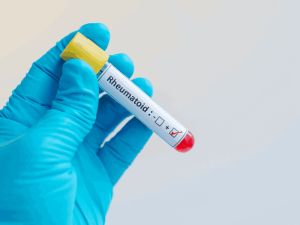
Stem cell therapy offers several potential benefits for patients with rheumatoid arthritis (RA), particularly those who have not found relief through conventional treatments. One of the most significant advantages is the reduction in joint pain. Mesenchymal stem cells (MSCs) have been shown to decrease inflammation in affected joints, which directly leads to pain relief. This reduction in pain can improve the overall quality of life for RA patients, allowing them to engage in daily activities with greater ease.
Another key benefit is the improvement in mobility. As MSCs contribute to the repair of damaged joint tissues, patients often experience enhanced joint function and flexibility. This improvement is crucial for those who suffer from severe joint stiffness and reduced range of motion, common symptoms of advanced RA.
Stem cell therapy also presents the possibility of decreasing reliance on conventional medications such as disease-modifying antirheumatic drugs (DMARDs) and non-steroidal anti-inflammatory drugs (NSAIDs). While these drugs are effective in managing RA symptoms, they often come with significant side effects, including gastrointestinal issues, increased infection risk, and even long-term organ damage. By reducing the need for these medications, stem cell therapy can minimize the adverse effects associated with their prolonged use.
Anecdotal evidence and patient testimonials further support the effectiveness of stem cell therapy. For instance, a study highlighted a 68-year-old male with RA who experienced significant improvements in joint function after undergoing umbilical cord-derived MSC therapy. Three years post-treatment, the patient was able to stop using anti-rheumatism medications, and the rheumatic nodules around his joints gradually softened and faded. Such testimonies underscore the potential of stem cell therapy as a viable alternative for RA patients.
Risks and Considerations of Stem Cell Therapy
While stem cell therapy offers promising benefits, it is essential to consider the associated risks and limitations. One of the primary concerns is the lack of long-term data on the safety and efficacy of these treatments. Although early studies have shown positive results, the long-term effects of stem cell therapy are still not fully understood. There is also a risk of adverse effects, including infection and immune reactions, particularly if the stem cells are not properly matched or prepared.
Another significant consideration is the regulatory status of stem cell therapy. In the United States, the Food and Drug Administration (FDA) has not yet approved any stem cell treatments specifically for RA, except in the context of clinical trials. Many stem cell therapies offered outside of regulated clinical studies may not meet the necessary safety standards, which poses a risk to patients. The FDA has also raised concerns about clinics offering unproven and potentially harmful treatments under the guise of stem cell therapy.
Patients considering stem cell therapy should also be aware of the financial implications. Stem cell treatments can be expensive, and because they are not FDA-approved for RA, they are often not covered by insurance. This out-of-pocket cost can be a significant barrier for many patients.
Comparing Stem Cell Therapy to Traditional RA Treatments
When comparing stem cell therapy to traditional RA treatments, several factors come into play, including effectiveness, duration, and cost. Traditional treatments like DMARDs and biologics have been the standard of care for decades and are generally effective at managing RA symptoms and slowing disease progression. However, these treatments often require long-term use and can have significant side effects, including increased risk of infections and other complications.
Stem cell therapy, on the other hand, offers a different approach by targeting the underlying causes of RA, such as inflammation and immune system dysregulation. While traditional treatments focus on symptom management, stem cell therapy aims to repair damaged tissues and restore normal immune function. This approach could potentially provide more sustainable long-term benefits, although more research is needed to fully confirm its efficacy.
In terms of cost, stem cell therapy is generally more expensive than conventional treatments, particularly because it is not widely covered by insurance. However, the potential for reduced reliance on lifelong medications may make it a more cost-effective option in the long run for some patients.
Stem cell therapy might be preferred in cases where traditional treatments have failed or caused intolerable side effects. It may also be considered as a complementary treatment alongside conventional therapies, offering additional relief and improving overall outcomes.
Future Directions and Ongoing Research
The future of stem cell therapy for RA looks promising, with ongoing research focused on improving its effectiveness and safety. Numerous clinical trials are currently exploring different types of stem cells, delivery methods, and combinations with other treatments to enhance therapeutic outcomes. For example, researchers are investigating the use of MSCs in conjunction with biologic agents to further reduce inflammation and promote tissue regeneration.
Upcoming innovations include the development of more targeted stem cell therapies that can home in on specific areas of inflammation within the joints, potentially increasing the precision and effectiveness of the treatment. Additionally, advancements in genetic modification and cell engineering may lead to the creation of more potent and reliable stem cell therapies tailored to individual patients’ needs.
As research progresses, there is hope that stem cell therapy will become a more widely accepted and accessible treatment option for RA patients, offering new possibilities for those who have exhausted conventional therapies. Clinical trials will continue to play a crucial role in determining the best practices for stem cell therapy and ensuring its safety and efficacy for long-term use.
Conclusion
Stem cell therapy for rheumatoid arthritis represents a promising alternative for patients who have not achieved satisfactory results with conventional treatments. By reducing joint pain, improving mobility, and potentially decreasing reliance on medications, this innovative approach offers hope for long-term relief and improved quality of life. However, it’s crucial to weigh the potential risks, including the current lack of FDA approval and the financial costs involved.
As ongoing research and clinical trials continue to refine and validate this therapy, stem cell treatment could become a more widely accepted and accessible option for those battling the debilitating effects of rheumatoid arthritis.
FAQs
- Can stem cells help treat rheumatoid arthritis?
- Yes, stem cells can help treat rheumatoid arthritis by reducing inflammation and promoting tissue repair, though they are not a cure.
- What is the cost of stem cell therapy for rheumatoid arthritis?
- The cost of stem cell therapy for rheumatoid arthritis can range from $5,000 to $20,000, depending on the clinic and treatment protocol.
- Is it possible to cure autoimmune diseases with stem cell therapy?
- While stem cell therapy can manage symptoms and improve quality of life, it is not considered a cure for autoimmune diseases.
- What are the latest advancements in treating rheumatoid arthritis?
- The latest advancements include biologics, JAK inhibitors, and ongoing research into the effectiveness of stem cell therapy.


